A Beginner-Friendly Guide to a Healthier Life
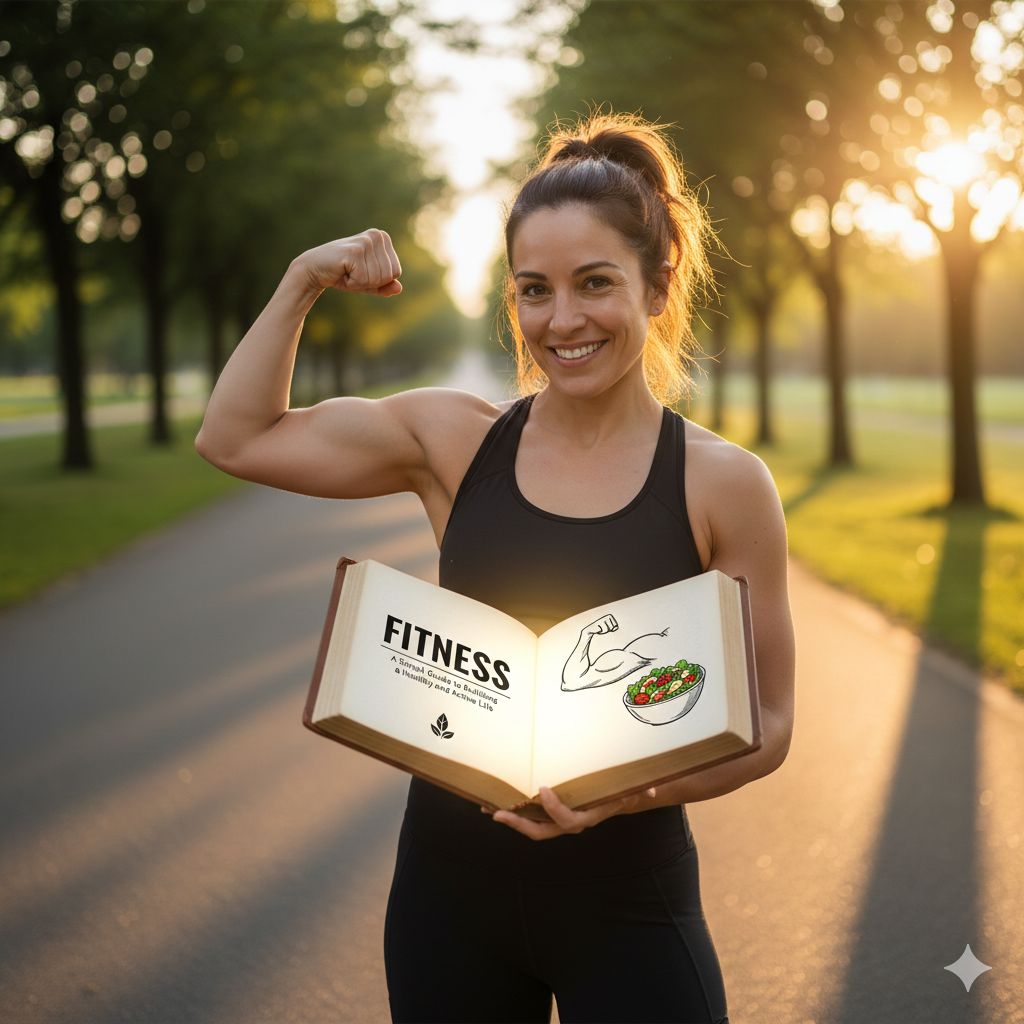
Fitness is not about having a perfect body or spending hours in the gym. It is about taking care of your body so you can live an active, energetic, and confident life. No matter your age or experience level, fitness can be adapted to suit your lifestyle.
This guide explains fitness in a simple and friendly way, making it easy for anyone to understand and start.

Understanding Fitness
Fitness means keeping your body strong, flexible, and capable of handling everyday tasks without feeling tired. A fit body works efficiently—your heart, muscles, and mind all perform better together.
Fitness is not a short-term challenge. It is a long-term habit that improves your overall quality of life.
Benefits of Staying Fit
Better Physical Health
Regular physical activity supports your heart, strengthens muscles, and improves bone density. It also helps reduce the risk of lifestyle-related problems such as obesity, diabetes, and heart disease.
Improved Mental Well-Being
Exercise helps release natural chemicals in the brain that improve mood and reduce stress. Even light activity can make you feel calmer and more positive.
More Daily Energy
When you stay active, your body becomes more efficient at using oxygen and nutrients, which helps you feel less tired during the day.
Higher Self-Confidence
Seeing progress—whether it’s better stamina or improved strength—builds confidence and discipline over time.
Different Types of Fitness Activities
Cardiovascular Exercises
Cardio workouts focus on improving heart and lung health.
Examples include:
- Brisk walking
- Jogging
- Cycling
- Skipping
- Swimming
Doing cardio for 20–30 minutes a day can greatly improve endurance.
Strength Training
Strength training helps build muscle and supports fat loss.
Examples include:
- Squats
- Push-ups
- Lunges
- Resistance or weight training
Start with light resistance and focus on proper form.
Flexibility and Stretching
Flexibility exercises improve movement and reduce injury risk.
Examples include:
- Basic stretching
- Yoga
- Mobility exercises
Stretching after workouts helps muscles recover faster.
How Beginners Can Start Fitness Easily
Start with Small Goals
Instead of aiming for big changes, set achievable goals like exercising 3–4 times a week or walking daily.
Keep the Routine Simple
A beginner plan could include:
- 3 days of basic workouts
- 2 days of light cardio
- 2 days of rest or stretching
Stay Consistent
Consistency matters more than intensity. Even short workouts give results if done regularly.
Importance of Nutrition in Fitness
Exercise alone is not enough. Food fuels your body and supports recovery.

Simple Nutrition Tips
- Include enough protein in meals
- Eat fresh fruits and vegetables
- Drink sufficient water
- Limit processed and sugary foods
A balanced diet makes workouts more effective.
Common Fitness Mistakes
Many beginners quit early because of these mistakes:
- Skipping warm-up or stretching
- Overworking the body without rest
- Following extreme diets
- Expecting instant results
Progress takes time and patience.
When Will You See Results?
Most people notice improved energy and mood within a few weeks. Physical changes usually appear after 6–8 weeks, depending on effort, diet, and consistency.
Staying Motivated Long-Term
- Track small improvements
- Choose activities you enjoy
- Maintain a regular schedule
- Focus on health, not comparison
Fitness becomes easier when it turns into a habit.
Conclusion
Fitness is one of the best gifts you can give yourself. It strengthens your body, clears your mind, and improves your confidence. You don’t need perfection—just a willingness to start and stay consistent.
A healthier life begins with one small step.
Frequently Asked Questions (FAQs)
Q1. Is fitness only for young people?
No, fitness is important at every age and can be adjusted accordingly.
Q2. Can I stay fit without gym equipment?
Yes, bodyweight exercises and walking are very effective.
Q3. How many days should I exercise each week?
4–5 days per week is ideal for most beginners.
Q4. Is rest important in fitness?
Yes, rest helps muscles recover and grow stronger.
Q5. Do I need supplements to be fit?
Most people can meet their needs through a balanced diet.